
PSIER Bone Conduction Headphones
4.7Editor score
Twenty-three gram titanium frame
Bluetooth 6.0 connectivity
Adjustable EQ and translation
Our bone conducting headphones guide compares 10 leading models for sound quality, comfort, battery life, water resistance, calls, and active use.
Bone conducting headphones deliver sound through the bones around the ear while leaving the ear canals open, making them especially appealing for runners, cyclists, swimmers, and active users who want to hear their surroundings. A worthwhile model should balance convincing audio with a secure fit, dependable durability, useful controls, and battery life that suits your routine.
We compared all ten products by examining their listening technology, open-ear design, weight, water resistance, connectivity, microphones, battery claims, and specialized features. The guide covers premium sport models, lighter everyday options, budget alternatives, and a swimming-focused headset with internal music storage, helping you identify the right format for your activities.
Each review explains the product's strongest qualities and practical limitations, while the top picks highlight the strongest choices for premium listening, value, and water use. Ratings and specifications reflect the supplied product information, and prices can change, so confirm the current listing and feature set before making a final purchase.
4.7Editor score

4.3Editor score

4.8Editor score
The comparison below highlights the defining specifications of each headset, including weight, connectivity, playback claims, and water protection, so you can quickly narrow the field by activity and priorities.


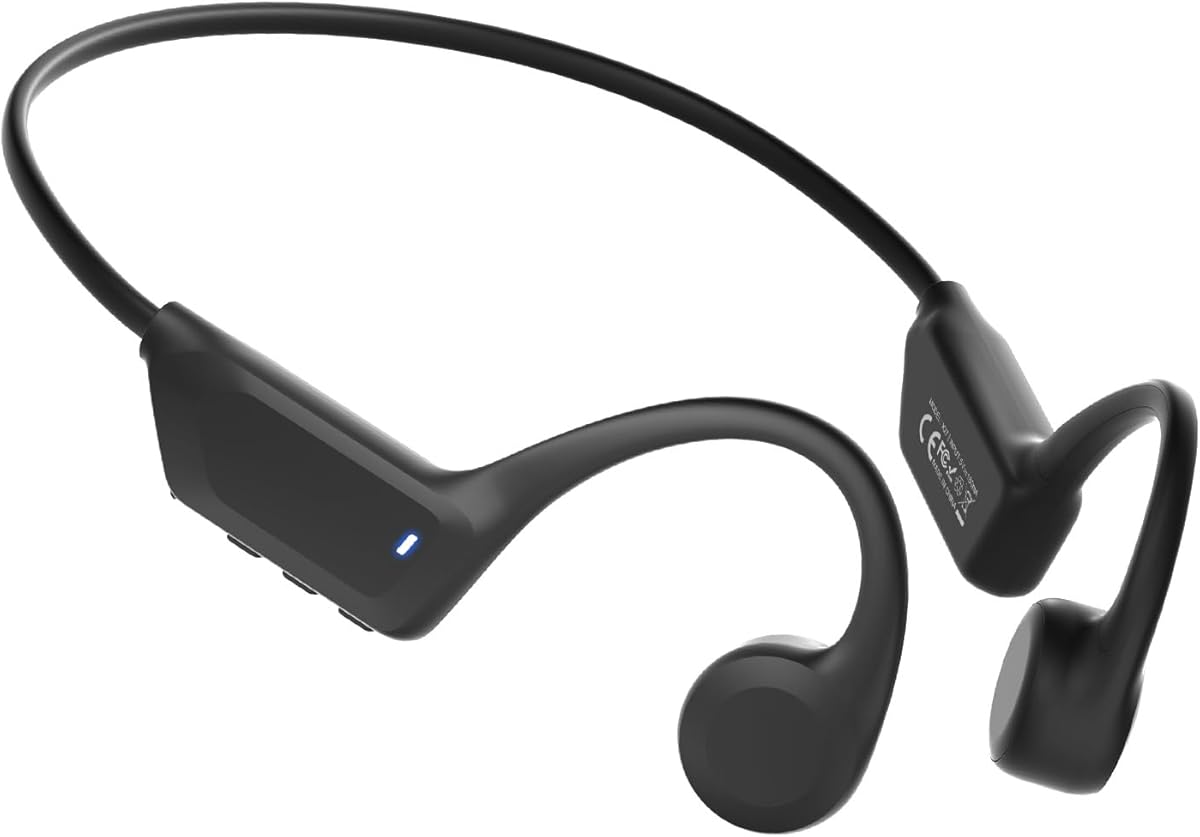

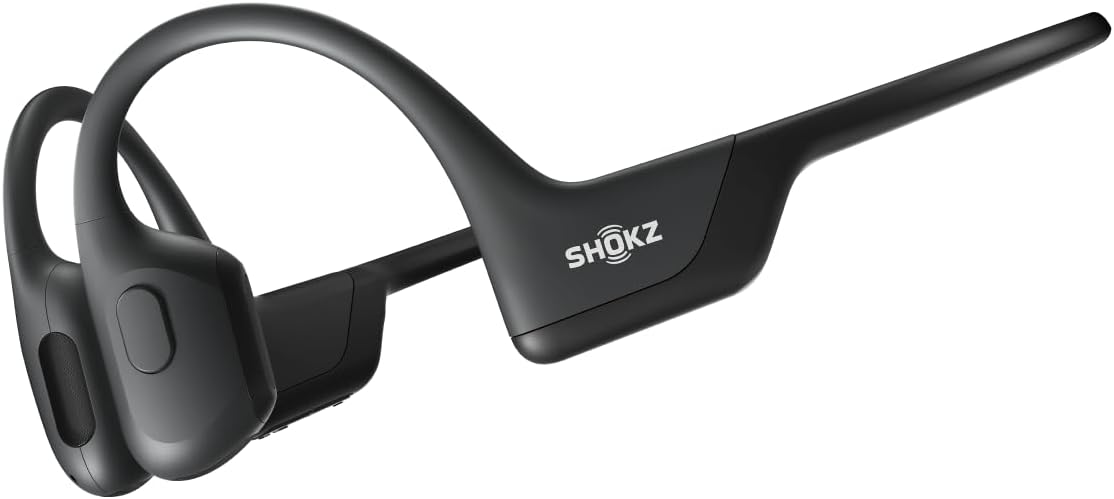
The SHOKZ OpenRun Pro 2 in Black earns a 4.3 rating and stands out as the most refined all-around sport headset in this group. Its defining feature is a dual-driver system that combines bone conduction for clear highs with air conduction for stronger bass, addressing a common weakness of lightweight open-ear headphones.
We may earn a commission when you buy through this link, at no additional cost to you.
The unibody frame uses a Ni-Ti alloy memory wire and ergonomic ear hooks to remain stable without relying on an in-ear seal. Dedicated EQ modes in the Shokz App include a Classic Mode for purer bone-conduction sound and a Volume Boost Mode for noisy environments. Two wind-resistant microphones and an AI noise-reduction system are also designed for clearer outdoor conversations.
Its open-ear design intentionally allows environmental sound to enter, so it will not match the isolation of sealed earbuds in a subway or aircraft. Audio quality and call performance can also vary with bone-conduction fit, and listeners who want extensive adjustments may prefer using the accompanying app. Even so, the hybrid driver approach gives this model a more robust sound foundation than many competing bone-conduction designs.
Choose the OpenRun Pro 2 if running, cycling, and gym sessions are central to your life and you want premium sound, strong call handling, and a stable open-ear fit. It is our top overall recommendation for shoppers who want a versatile sport headset without sacrificing bass presence or call-focused features.
By pairing bone conduction with air conduction, this model targets the fuller sound expected from premium sport headphones. The result is a more convincing blend of clear upper frequencies and deeper low-end impact while preserving the ventilation and awareness of an open design.
The flexible Ni-Ti frame and contoured ear hooks are intended to resist slipping, while the dual microphones target environmental and wind noise. Together, these details make the headset a sensible option for active users who alternate between music, podcasts, and calls.
We may earn a commission when you buy through this link, at no additional cost to you.
This generic-titled bone-conduction headset carries a 4.8 rating and offers a notably capable feature set for an affordable active design. It uses an open-ear format to keep environmental awareness high, while the supplied description emphasizes sound transmission through the cheekbones and a cavity design intended to reduce leakage by as much as 50%.
We may earn a commission when you buy through this link, at no additional cost to you.
Its titanium frame weighs 29 grams and is described as flexible and resistant to bending, making it suitable for running, hiking, cycling, commuting, and work. The product information references IP55 water resistance, Type-C fast charging, a battery of up to 10 hours, and noise-reducing call support. Those qualities make it a credible choice for buyers who need a versatile daily headset.
The listing presents some inconsistent details: the title mentions Bluetooth 6.0 and eight-hour playtime, while the description states Bluetooth 5.4 and up to 10 hours of battery life. Buyers should therefore verify the final specifications and included accessories on the current listing. The open-ear format also provides less ambient-noise isolation than sealed earbuds, which is a tradeoff inherent to the category.
This is a compelling value pick for runners and commuters who want lightweight construction, sweat resistance, and generous claimed battery life without moving to a premium brand. Confirm the connectivity version, battery estimate, and current package details before ordering.
At 29 grams, the headset is designed to remain comfortable through runs, gym workouts, and extended commutes. Its flexible titanium construction also supports durability, although the supplied listing inconsistently describes the exact Bluetooth generation.
An IP55 rating is appropriate for sweat and ordinary rain exposure, while the claimed battery life of up to 10 hours is useful for full-day use. Magnetic or Type-C charging details should be checked before purchase because the current product information is not fully consistent.
We may earn a commission when you buy through this link, at no additional cost to you.
The PSIER Bone Conduction Headphones have a 4.7 rating and combine a remarkably low 23-gram weight with extensive smart features. A flexible memory-titanium frame, open-ear architecture, and included adjustable strap make them adaptable to different head sizes while leaving the ear canals unobstructed.
We may earn a commission when you buy through this link, at no additional cost to you.
Bluetooth 6.0, a stated 60-millisecond latency, and a reliable range of up to 33 feet are appealing for everyday wireless use. The 13-millimeter drivers and 90-decibel sensitivity are specified for balanced sound, while the Boean App adds EQ profiles, AI-generated music, and real-time translation across 91 languages. Playback is stated at up to 10 hours at half volume, with Type-C charging taking about two hours.
Its IPX5 protection handles sweat and rain but explicitly excludes underwater use, so it is not a swimming headset. The ambitious app feature set may also feel excessive for listeners who only want stable music and simple calls. Bass strength will depend on individual fit because the transducers rely on consistent contact with the head.
PSIER is a strong choice for value-focused buyers who want modern connectivity, a very light frame, adjustable fit, and meaningful app customization. It stands out as a capable everyday and workout option without being limited to basic track playback.
Bluetooth 6.0, instant pairing, 60-millisecond latency, and the stated 33-foot range target stable daily use. The low-latency specification is particularly relevant for mobile video and active routines where noticeable delay would interrupt the experience.
The Boean App provides adjustable EQ, vocal and genre profiles, AI-generated music, and translation across 91 languages. These tools make the headset more versatile, particularly for travelers and listeners who want control beyond basic volume adjustment.
We may earn a commission when you buy through this link, at no additional cost to you.
The X7 MAX is one of the few options here designed for genuine underwater use, earning a 4.8 rating. Its IPX8 protection supports full submersion to a depth of 5 meters for up to 2.5 hours, while an internal storage system can hold as many as 2,000 songs for phone-free playback.
We may earn a commission when you buy through this link, at no additional cost to you.
The headset operates in Bluetooth 6.0 mode on land and switches to MP3 mode underwater by double-clicking. That distinction matters because standard Bluetooth does not function in water. A magnetic charging cable also provides access to the built-in USB memory, making it convenient to transfer tracks from a computer and keep the headset ready for a pool session.
The open-ear bone-conduction format remains soft and stable rather than sealing the ears, aided by skin-friendly silicone pads and an adjustable strap. Its stated playback time is eight hours, with a full charge taking about two hours. The premium feature is clearly the water capability, but swimmers must accept the requirement to use MP3 mode below the surface and manage their own music library.
Choose the X7 MAX if swimming, diving, or water workouts are a priority. It is the clear specialist recommendation in this list for anyone who wants bone-conduction listening in environments where ordinary Bluetooth sport headphones cannot operate.
Internal MP3 storage is the key advantage for swimmers because wireless signals do not work underwater. Loading up to 2,000 songs ahead of time allows the headset to remain completely independent from a phone during pool sessions.
The stated IPX8 rating allows full submersion to 5 meters for up to 2.5 hours. This makes the model meaningfully more specialized than the sweat-resistant and rain-resistant options in the guide.
We may earn a commission when you buy through this link, at no additional cost to you.
The SHOKZ OpenRun Air 2 has a 4.1 rating and emphasizes a light, uncomplicated design for running and general sport use. At 26.4 grams, it is more than 9% smaller according to the product information, with contoured memory-alloy ear hooks designed to remain secure through runs, jumps, and turns.
We may earn a commission when you buy through this link, at no additional cost to you.
PremiumPitch 3.0 provides the stated sound foundation, and the Shokz App supports four preset and two custom EQ profiles. Its ten-hour battery claim is complemented by a five-minute quick charge that is said to add two hours of calls, music, or podcast playback. Bluetooth 6.0, physical controls, dual noise-cancelling microphones, and AI-assisted noise reduction round out the feature set.
The IP67 rating handles sweat, rain, and rinsing with water, but the product explicitly says it is not for swimming or underwater activities. As with other open-ear bone-conduction models, ambient noise remains audible and bass may not reach the density of sealed earbuds. The 4.1 rating also suggests that buyer expectations should focus on the open, pressure-free format rather than isolated, studio-like listening.
The OpenRun Air 2 suits runners and everyday users who value low weight, physical controls, customization, and a long claimed battery. It is a logical SHOKZ option for people who want a lighter everyday alternative to the more feature-dense OpenRun Pro 2.
At 26.4 grams, the Air 2 emphasizes minimal mass without abandoning a memory-alloy structure. The lighter frame can be especially appealing during long runs where every extra gram becomes more noticeable.
Physical buttons allow direct track, volume, and call management, reducing reliance on a phone. The five-minute quick-charge feature also helps when a short top-up is needed between activities.
We may earn a commission when you buy through this link, at no additional cost to you.
The orange SHOKZ OpenRun Pro 2 shares the Black edition's 4.3 rating and the same advanced hardware, making color the primary visible difference. Its dual-driver arrangement combines bone conduction for clear highs with air conduction for deeper bass, offering a more substantial presentation than a purely vibration-based design.
We may earn a commission when you buy through this link, at no additional cost to you.
The weight-optimized unibody frame incorporates a Ni-Ti alloy memory wire and ergonomic ear hooks intended to remain secure during gym sessions, runs, and cycling. A dedicated app provides Classic Mode for a purer bone-conduction presentation and Volume Boost Mode for noisy environments. The microphones are positioned to resist wind and use AI noise reduction for clearer conversations.
Like the Black model, this headset does not isolate external sound, which may limit clarity in exceptionally noisy places. Its strongest fit is for active environments where awareness is desirable rather than obstructive. Because both color options provide the same core specifications, selection should come down to appearance, availability, and personal preference.
The orange edition is a compelling alternative for buyers who prioritize sound depth, call handling, and a secure sport fit but prefer a brighter visual style. It delivers the same feature set as the Black OpenRun Pro 2 and remains one of the strongest premium choices in the guide.
Air conduction contributes low-end impact alongside the bone-conduction drivers. This hybrid approach is especially useful for runners who want more perceived bass without inserting sealed earbuds into the ear canal.
Wind-resistant microphone placement and AI noise reduction target the difficult task of keeping calls intelligible near roads, paths, and moving air. The system is designed to filter background noise in conditions up to 15 miles per hour.
We may earn a commission when you buy through this link, at no additional cost to you.
The Raycon Bone Conduction Headphones have a 3.9 rating and distinguish themselves with a user-adjustable placement system. The open-ear transducers can be moved closer to the head for stronger perceived volume or shifted back to increase awareness of the surrounding environment.
We may earn a commission when you buy through this link, at no additional cost to you.
Sound is delivered through vibration rather than an in-ear seal, which can reduce ear fatigue during extended wear. The lightweight ergonomic frame is designed for runs, walks, gym sessions, commuting, and general daily use, while a built-in microphone supports hands-free communication. The supplied information describes strong, balanced sound intended to avoid the pressure associated with conventional earbuds.
An IP68 rating provides excellent protection against sweat, rain, and spills, and the magnetic charging cable is designed to maintain a moisture-proof seal. However, Raycon states that the headphones perform best in active everyday environments rather than high-noise settings. The open format and adjustable placement may also make the listening experience inconsistent if the transducers are not positioned carefully.
This is a sensible option for users who value precise fit control and strong environmental awareness. Those seeking richer isolation, more prominent bass, or the highest customer rating in this roundup may find one of the premium SHOKZ or newer Bluetooth 6.0 models more compelling.
Moving the transducers nearer the head increases perceived volume, while pulling them back opens the listening experience. This unusual adjustability lets users balance audio and awareness rather than relying on a single fixed position.
The IP68 rating and moisture-sealed magnetic charger offer reassuring protection for workouts and wet weather. The design is not positioned as a high-noise commuting headset, so it is best suited to active and everyday environments.
We may earn a commission when you buy through this link, at no additional cost to you.
This open-ear bone-conduction headset carries a 4.8 rating and stands apart because the supplied listing contains 30 packs, for a total of 30 units. That quantity makes it more relevant to families, teams, rentals, events, or organizations than a conventional single-headset purchase.
We may earn a commission when you buy through this link, at no additional cost to you.
The title highlights Bluetooth 6.0, an ultra-light wireless design, long battery life, and stable connectivity for running, cycling, workouts, and hiking. Its intended market is clear: users who want many units for an active setting or who want inexpensive spares available. The open-ear format also allows environmental sound to remain present during use.
The supplied product information is extremely limited and does not provide a precise weight, playback duration, water-resistance standard, microphone specification, or charging method. Those omissions make it difficult to compare the headset confidently with the more thoroughly documented models. The term waterproof should also be checked against the listing's detailed technical specifications before exposure to rain or water.
The bulk format may provide exceptional utility for a group, but individual buyers should expect to rely on the live listing for technical details. It is best considered a specialized wholesale-style option rather than the first choice for a shopper who needs detailed specifications, app support, or a known brand ecosystem.
The 30-pack format is the product's primary advantage. It can serve organizations, shared households, event organizers, or replacement inventories where individual retail units would be inconvenient to acquire.
Only Bluetooth 6.0, open-ear use, and broad activity positioning are supplied. Before buying in volume, check the current listing for exact battery, water resistance, weight, fit, and charging details.
We may earn a commission when you buy through this link, at no additional cost to you.
The CXK Bone Conduction Headphones earn a 4.4 rating and offer a balanced combination of light construction, modern connectivity, and smart features. At 28 grams, the open-ear frame uses a flexible titanium design intended to remain stable during running, workouts, commuting, and outdoor activities without adding ear pressure.
We may earn a commission when you buy through this link, at no additional cost to you.
Bluetooth 6.0 supports fast pairing and stable wireless connections, while the bone-conduction drivers are specified as producing clear, balanced stereo sound. A built-in microphone is included for calls. The headset offers up to 10 hours of music and calls, IPX7 protection against sweat and rain, and magnetic charging that takes about two hours.
The Boean App expands the feature set with EQ controls, bass and vocal profiles, and AI-generated music. That customization is useful for listeners who enjoy adjusting their sound, although the app is not essential for basic operation. IPX7 protection does not make the headset appropriate for swimming, and the open-ear design will allow background noise to remain audible.
CXK is a compelling middle ground for active users who want modern wireless performance, app-based personalization, and comfortable long-term wear. It is particularly suitable for commuters and gym users who want environmental awareness without moving to a swimming specialist or a premium hybrid-audio design.
The 28-gram titanium frame balances low mass with flexibility, while the open-ear structure avoids the insertion pressure associated with earbuds. It should appeal to listeners who wear headphones through multiple workouts or work sessions.
Custom EQ, enhanced bass, balanced vocal profiles, and genre-based presets make the headset more flexible. AI-generated music is a secondary creative feature rather than a fundamental reason to choose an open sport headset.
We may earn a commission when you buy through this link, at no additional cost to you.
The original SHOKZ OpenRun Pro has a 4.5 rating and remains a recognizable option for runners seeking an established bone-conduction platform. Its open-ear, bud-free construction avoids the discomfort of inserting earbuds and keeps environmental sounds available for situational awareness.
We may earn a commission when you buy through this link, at no additional cost to you.
Ninth-generation bone-conduction technology and TurboPitch tuning are designed to provide clear sound, strong volume, and rich bass through the cheekbones. A lightweight wraparound titanium frame is intended to remain stable during intense training, while a rugged sweat-resistant design supports workouts and runs. The headset includes a Shokz headband for users who need additional security.
Battery life is stated at 10 hours for music, calls, and podcasts. A five-minute quick charge is said to add up to 1.5 hours, and magnetic induction supplies the charging connection. The product is sweat resistant rather than suitable for swimming, and as an older design, it lacks some newer features found in the OpenRun Pro 2 and OpenRun Air 2 models.
The original OpenRun Pro is most appealing when you already favor the SHOKZ fit, want a stable titanium frame, and prefer a simpler established design. It remains a capable runner's headset, although newer models provide longer battery life, more advanced calls, lighter construction, or richer hybrid audio.
The wraparound titanium structure is designed to stay in place during demanding training, and the included headband provides an extra stabilization option. This makes the headset useful for runners whose ears or glasses can make conventional earbuds less secure.
TurboPitch sound emphasizes clear delivery, powerful volume, and rich bass, while the microphone supports clear conversations. The ten-hour battery and quick-charge function remain useful, even though newer SHOKZ models offer longer playback and refined noise handling.
We may earn a commission when you buy through this link, at no additional cost to you.
The right bone conducting headset depends on where you use it, how much sound isolation you need, and whether water exposure, smart features, call quality, or long battery life matter most. These factors help separate genuinely useful models from superficially similar listings.
Pure bone-conduction designs transmit vibrations through the cheekbone or nearby skull while leaving the ears open. They tend to favor clarity and comfort but may produce less perceived bass than conventional sealed headphones. The SHOKZ OpenRun Pro 2 addresses this by combining bone conduction with air conduction, giving its drivers more low-end presence while preserving the open-ear experience.
Choose a hybrid system when music quality is a major priority, and favor a straightforward bone-conduction model when awareness, light weight, and a lower-complexity design matter more. Fit is critical in either case because inconsistent contact can reduce volume and tonal balance.
The defining advantage of this category is environmental awareness. You can hear traffic, training partners, announcements, and approaching activity without removing the headset, which can improve comfort and situational awareness. The tradeoff is limited passive isolation, so music may be harder to hear in a noisy café, busy street, or airplane cabin.
Look for adjustable transducer placement if you want to balance sound against awareness. Avoid choosing solely for active use if your daily routine also includes loud transit or offices where sealed earbuds provide a clearer listening environment.
Weight becomes especially important during long runs, hiking sessions, and extended workdays. The PSIER model is listed at 23 grams, the OpenRun Air 2 at 26.4 grams, the CXK at 28 grams, and the generic titanium sports model at 29 grams. All are substantially lighter structures than many over-ear headphones.
Beyond weight, consider the ear-hook shape, frame flexibility, silicone contact areas, and included adjustment strap. A secure headset should remain stable without creating painful pressure points, and glasses or unusual ear shapes may affect how the transducers sit.
Water-resistance ratings describe very different exposure levels. IPX5 models are positioned for sweat and rain, IPX7 options handle sweat, rain, and temporary water exposure, while the X7 MAX has IPX8 protection for specified full submersion. The supplied information explicitly says the X7 MAX can withstand 5 meters of depth for up to 2.5 hours in MP3 mode.
For running and gym use, IPX5 or IPX7 should be sufficient when the listing clearly defines the limits. For swimming, choose a model that explicitly supports underwater use, and remember that Bluetooth normally will not transmit through water; internal MP3 storage is the relevant feature.
Claimed playback ranges from eight hours for the X7 MAX to up to 12 hours for the SHOKZ OpenRun Pro 2, while the OpenRun Air 2 and several Bluetooth 6.0 models advertise 10 hours. Quick charging can be valuable when a short top-up is more realistic than a full recharge, with the OpenRun Air 2 claiming two additional hours from a five-minute charge.
Compare battery claims under realistic volume and usage conditions because specifications can differ by mode. Also check connector type, magnetic charging design, full-charge time, and whether the stated estimate includes calls or only music playback.
Open-ear headsets are often chosen for running and cycling, where users may need to take calls without removing their headphones. Microphone placement and noise-reduction software therefore matter. The OpenRun Pro 2 uses wind-resistant microphones and an AI noise-reduction system, while the OpenRun Air 2 combines a dual microphone layout with AI-assisted processing.
For office calls, prioritize a clear built-in microphone and a stable connection. For outdoor calls, wind resistance is at least as important as the headset's music profile, particularly when speaking at speed or near roads.
Bluetooth 6.0 appears across several models, while the generic sports headset described in the supplied data includes conflicting references to Bluetooth 6.0 and 5.4. Newer connectivity can support faster pairing and stable links, but verification remains important when a listing uses a broad product name or inconsistent technical text.
Companion apps add EQ profiles, presets, and translation tools to the PSIER and CXK models, while the SHOKZ options focus on sound modes. Decide whether these tools solve a real need for you; reliable hardware, fit, and battery should take priority over an expansive but unfamiliar app.
The market includes a premium hybrid sport headset, a specialist swimming unit, several app-enabled value models, and a 30-pack listing designed for bulk use. The 30-pack may be excellent for organizations or shared activities, but it offers much less documented specification than the single-unit products. Premium models add advanced drivers, refined microphones, and established app ecosystems.
Start with the intended user, activity, and environment rather than comparing every specification equally. Confirm the current package contents, warranty information, accessories, and listing details before purchase, especially for products with generic names or unusual quantities.
Before the first use, fully charge the headset using its specified charging method and remove any protective film from the contact surfaces. Download the relevant companion app if you want to configure EQ, create presets, or explore translation features. Pair the device with a compatible phone or computer, then confirm that the connection remains stable at your normal listening distance.
Place the transducers or ear hooks so they sit comfortably and consistently against the head. Bone-conduction sound depends on proper contact, so adjust the frame or included strap before increasing the volume. Use the physical controls to manage tracks, calls, and playback, and avoid pressing the transducers so firmly that they cause discomfort. For swimming, switch to MP3 mode and load the internal library before entering the water.
Clean the earcups and silicone contact areas with a soft, lightly dampened cloth, avoiding harsh chemicals and excessive moisture around charging contacts. Respect each model's water-resistance limits, dry it fully before charging, and keep the magnetic charger properly aligned. Store the headset away from extreme heat, follow the stated cleaning guidance, and charge it periodically if it will be unused for an extended period.
Bone conducting headphones can be more comfortable for some listeners because they leave the ear canal open and do not require an in-ear seal. That openness also allows environmental sounds to remain audible, which can help awareness during outdoor activities. However, they do not guarantee complete situational safety, and users should still remain alert around traffic and other hazards.
Pure bone-conduction models often emphasize midrange clarity and upper detail over deep bass because the transducers work through vibration. Hybrid designs such as the SHOKZ OpenRun Pro 2 add air-conduction drivers specifically to improve low-end impact. Individual fit, volume, and the acoustic environment can also affect how much bass you perceive.
Only choose a model that is explicitly rated and marketed for underwater use. The X7 MAX in this guide supports full submersion to 5 meters for up to 2.5 hours when switched to MP3 mode. Standard Bluetooth does not function underwater, so a swimming headset needs internal storage and must be loaded with music before entering the pool.
Open-ear bone-conduction systems generally leak more sound than sealed in-ear or over-ear headphones because they must transmit sound through vibration without blocking the canal. Some newer models use enclosed cavities or hybrid drivers to reduce leakage, but none should be assumed completely private. Sound levels and personal sensitivity also vary, so use a moderate volume in shared spaces.
Start by placing the ear hooks and transducers consistently against the head, then use the included strap when extra stability is needed. A poor fit can reduce perceived volume and bass response because the transducers are not maintaining steady contact. Clean the contact surfaces, adjust the frame, and avoid placing hats, glasses, or helmets over parts of the headset in a way that disrupts its position.
No. Core playback, calls, volume, and pairing can usually be managed from the headset and a connected device. The Shokz, Boean, and other companion apps add value when you want EQ presets, balanced vocals, bass profiles, translation, or other personalization, but the underlying product should still work as a dependable wireless headset without extended app use.
A claimed ten-hour playback time is convenient for most users because it can cover a full week of regular workouts with occasional charging. Some models offer faster playback or a quick-charge boost, while the X7 MAX lists eight hours and the OpenRun Pro 2 lists 12. Compare charging method and realistic volume as well as the headline battery estimate.
Usually, yes, but the fit may need adjustment. Glasses can interfere with the frame, while helmet straps and hats may press against or displace the transducers. Put on eyewear and headgear first, then reposition the ear hooks, and use the included headband or strap if the headset cannot sit securely. Avoid placing bulky items directly over the sound-contact areas.
The SHOKZ OpenRun Pro 2 is the strongest all-round option for shoppers who value richer hybrid sound, refined microphones, customization, and a secure active fit. The PSIER Bone Conduction Headphones stand out for value, their 23-gram frame, Bluetooth 6.0, and app features, while the X7 MAX is the specialized recommendation for swimming and underwater MP3 playback.
Prioritize the features that match your environment: secure fit and water resistance for running, call clarity for cycling, a connected app for personal EQ, and true underwater protection for swimming. Remember that open-ear awareness and sound isolation are different goals, and neither bone conduction nor a premium badge guarantees the best result if the transducers do not fit properly.
Before buying, verify the current specifications, accessories, water-resistance limits, and compatibility on the active product listing. Ratings, feature bundles, and prices can change over time, so confirming the latest information is the best way to ensure that the headset you choose still meets your activity and listening priorities.
